

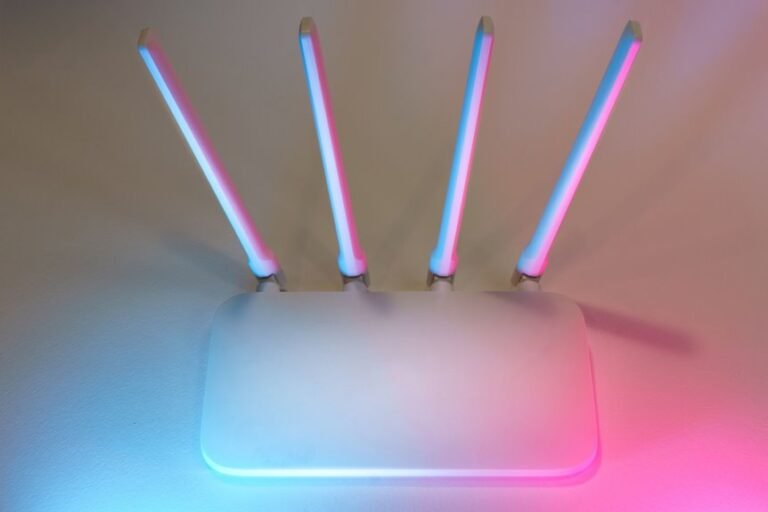
Access to the 168.8.103 admin panel requires verified device identity and an encrypted management channel. The first login uses manufacturer-supplied credentials that must be changed, with strong authentication and disabled unused services. Ongoing practice includes firmware from official sources, network segmentation, and regular integrity checks. Threat modeling identifies critical assets and surfaces to reduce exposure. The setup emphasizes repeatable, auditable configurations and guest isolation, but practical steps and risks still warrant careful consideration before proceeding.
Accessing the 168.8.103 Admin Panel Safely
Accessing the 168.8.103 admin panel requires careful verification of the device’s identity and secured communication. The procedure emphasizes verified client authentication, encrypted channels, and integrity checks. Systematic steps ensure reproducible access without deviation.
In this context, informational focus excludes dead end ramblings and off topic tangents, preserving objective assessment for authorized administrators seeking controlled, safe configuration and monitoring capabilities.
Default Credentials and First-Time Login Steps
Default credentials for the 168.8.103 router must be established before initial operation, and first-time login should be conducted using the manufacturer’s prescribed values to verify device identity.
The procedure remains precise and systematic, describing initial access, credential changes, and documentation.
This section avoids redundant content, focusing on unused topic ideas and unrelated focus, preserving clarity for freedom-seeking technicians.
Essential Security Settings for Your Network
Essential security settings form the backbone of a protected home or small-office network. The approach is precise and methodical: configure strong authentication, disable unused services, enforce encrypted management, and segment networks. A formal security posture is maintained through disciplined policy enforcement and regular auditing. Threat modeling identifies critical assets, attack surfaces, and mitigations to reduce exposure across devices and interfaces.
Firmware Updates, Guest Network, and Troubleshooting Tips
Firmware updates, guest network configuration, and troubleshooting routines are addressed with a structured workflow: firmware should be updated to the latest stable build from the vendor’s official source, guest network settings should isolate visitors from the main LAN while restricting access to local resources, and troubleshooting steps should follow a repeatable diagnostic sequence to identify and resolve common connectivity and performance issues.
Frequently Asked Questions
How to Change the Admin Username Separately From the Password?
The administrator should create a distinct admin username by accessing the account settings, selecting “User Management,” and choosing “Add New User” with a unique identifier. Then disable or remove the original admin, ensuring secure login credentials; change password and update firmware.
Can I Enable Two-Factor Authentication for the Router Login?
Two factor auth can enhance login security, but most consumer routers do not natively support it; if available, enable via firmware features or external VPN; otherwise consider strong admin credentials and periodic password changes for improved login security.
How to Perform a Factory Reset Without Losing Ethernet Settings?
A factory reset preserves Ethernet settings only if the router supports preserved configuration; otherwise, perform a backed-up configuration restore. Factory reset caveats include potential loss of custom WAN, Wi‑Fi, and firewall rules, requiring reconfiguration for ethernet preservation.
What Are the Recommended MTU Settings for This Model?
The recommended MTU for this model is 1500 bytes. It balances performance and stability while preserving data privacy; ensure firmware updates are applied promptly to mitigate vulnerabilities and optimize throughput without compromising network freedom.
How to Access Router Logs and Interpret Entries?
Accessing router logs requires admin login to the device interface; then navigate to System/Logs. Log interpretation involves identifying timestamps, event types, and message details to diagnose issues, anomalies, and security alerts.
Conclusion
In conclusion, the router’s path mirrors a guarded citadel: a first-time login with trusted credentials unlocks a fortified perimeter, while encrypted channels seal every exchange. Like a lighthouse keeper, ongoing firmware verifications and routine audits uphold the beacon’s integrity. The blueprint alludes to a segmented, resilient network—guests isolated, services restrained—ensuring the system withstands evolving tides. When these practices align, the administrator’s vigilance becomes the quiet, enduring safeguard behind every connected signal.