

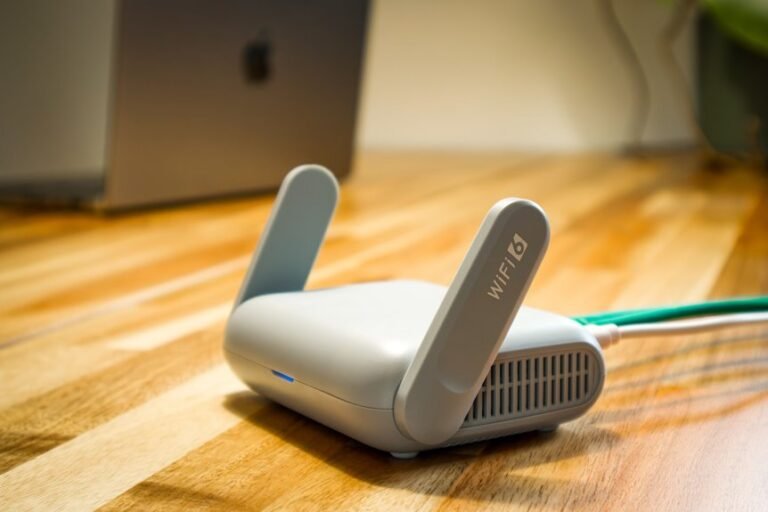
Understanding the 168.29.1 router requires locating the default IP and accessing its admin page for first setup. The process stresses securing the admin password, disabling default credentials, and enabling strong Wi‑Fi encryption. Subsequent steps cover choosing a descriptive SSID, enabling updates, and tracking advisories. Regular logs, change control, and performance checks are advised to maintain safety. The guidance leaves a practical path to follow as configurations are refined and potential threats are addressed.
What Is the 168.29.1 Router and What You Should Know
The 168.29.1 router is a network device used to manage and direct data traffic within a local area network. It functions as a gateway, assigns addresses, and routes packets efficiently. Understanding its role reduces uncertainty and supports reliable performance.
Note common networking myths and consider router ergonomics to ensure comfortable, sustained interaction with configuration tasks for improved clarity and control.
How to Locate and Access the Default Login Page
To locate the default login page, users should identify the router’s IP address, commonly printed on the device itself or found in the manual, and then enter that address into a web browser’s address bar.
This step supports network troubleshooting and password recovery by guiding access to the admin interface, where credentials are verified, updates performed, and settings reviewed.
Step-by-Step: Secure Admin Password and Initial Wi‑Fi Setup
Setting a strong admin password and configuring the initial Wi‑Fi settings are critical first steps after accessing the router’s admin interface; this ensures device security and reliable wireless performance.
The process: create a unique secure password, disable default credentials, enable WPA3 or WPA2, set a strong SSID, and apply encryption. Document the secure password and complete the initial wifi setup.
Ongoing Security, Updates, and Network Optimization for 168.29.1
Ongoing security, updates, and network optimization for the 168.29.1 router require a disciplined maintenance routine: enable automatic firmware updates when available, monitor security advisories from the vendor, and apply patches promptly. Implement robust security practices, schedule regular reviews of device discovery logs, and optimize configurations for performance. Maintain disciplined change control, document actions, and verify network optimization results after each update.
Frequently Asked Questions
Can I Change the Router’s Default IP Address?
Yes, one can change the router’s default IP address. This action supports changing default private networks, reduces exposure and not relevant to others, but introduces security concerns if misconfigured. Proceed carefully to maintain access, documentation, and safety.
How Do I Reset the 168.29.1 Router to Factory Settings?
The reset procedure requires locating the small pinhole, holding it for ten seconds, and confirming power-cycle; this factory reset clears settings. Afterward, reconfigure network ports and verify device placement for optimal performance.
Is 168.29.1 Compatible With My VPN Service?
Interestingly, VPN compatibility questions arise; the device itself does not guarantee compatibility with every service. For clarity, it depends on VPN protocol support and configuration. Consider VPN compatibility questions alongside Factory reset procedures when assessing suitability.
How Do I Recover a Forgotten Admin Password?
The forgotten password requires a reset procedure: perform a factory reset on the router, then access the default credentials to initiate password recovery. After login, set a new admin password and securely store it to prevent future recall issues.
Which LEDS Indicate Network Activity on the Device?
Lights blink in measured pulses to indicate activity; the device’s network status LED mirrors traffic, and firmware updates may cause temporary bursts. The user should observe these indicators during operation, noting ongoing network status and potential firmware updates.
Conclusion
In a quiet harbor, the router stands like a lighthouse keeper, steady and vigilant. The default password is a钥—unlock it with care, then batten the hatches with a strong key. The SSID shines like a beacon, and WPA3 or WPA2 guards the foggy coast from intruders. Updates arrive as gentle tides, shaping resilience. Regular logs are the keeper’s weather vane, and step by step, the network endures, guiding every device safely to shore.