

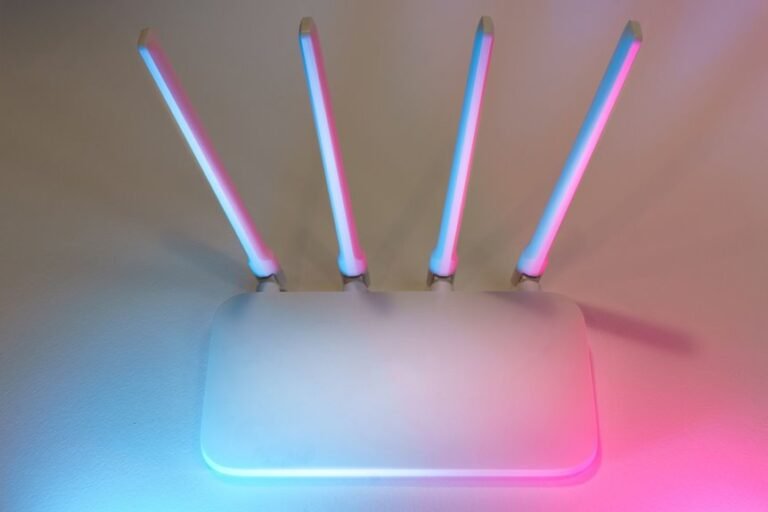
The guide on 168.1.188 router login and default settings takes a methodical, precautionary stance. It begins by confirming default credentials and device address, then emphasizes accessing the page through a secure browser. Clear steps follow for naming the network, securing passwords, and limiting exposed services. It also covers resetting to defaults when needed and documenting every change. With each instruction, a careful, verification-driven approach is required, inviting further scrutiny before proceeding.
Identify the 168.1.188 Router’s Default Login Details
The default login details for the 168.1.188 router are typically a standard set of credentials assigned by the manufacturer and can vary by model.
This identification emphasizes methodical verification, safeguarding privacy concerns, and recognizing updates through firmware updates.
It remains cautious, avoiding exposure of sensitive data, while empowering the reader to document the exact defaults for reliable, freedom-oriented configuration.
Access the Router Login Page Safely
Access the router login page safely by verifying the device’s address before connection and employing a secure browser. The procedure remains detached and precise: confirm local IP, avoid public networks, and disable automatic extensions. Prepare for password recovery options only after verifying legitimacy. Maintain logs, and proceed with firmware update checks when authenticated, ensuring uninterrupted, trusted administration.
Set Up Wi‑Fi Name, Password, and Security
To set up the Wi‑Fi name (SSID), password, and security, begin by accessing the router’s wireless settings from the admin dashboard and confirming the current network identifiers to avoid confusion. In doing so, document any identifying firmware quirks and ensure credentials resist compromise.
Consider legitimate controls; bypassing parental controls is discouraged, preserving responsible access while maintaining freedom.
Restore Defaults, Troubleshoot, and Best Privacy Practices
Restoring defaults, diagnosing issues, and applying best privacy practices require a disciplined, step-by-step approach. The procedure emphasizes controlled resets, careful firmware updates, and verifiable configurations. Troubleshooting should be systematic, documenting each change. Privacy practices demand minimal exposure: disable unnecessary services, secure admin access, and monitor logs. Firmware updates mitigate vulnerabilities; verify authenticity before installation, then revalidate connectivity and performance after each action.
Frequently Asked Questions
Can I Change the Router’s Default MAC Filtering Settings?
Changing MAC filtering is possible in many routers, but changes should be approached cautiously. The guide notes that Change MAC filtering and Remote management settings can be adjusted; ensure security implications are understood before applying adjustments to preserve freedom.
How Do I Disable Remote Management Securely?
Disable remote management. To ensure secure access, disable it via the router’s admin panel, apply strong authentication, update firmware, and limit management to trusted networks; verify changes, monitor logs, and preserve physical access control.
What Parental Controls Are Available on This Model?
Parental controls on this model provide a concise overview with device scheduling limits, content filtering, and access rules. The overview emphasizes cautious configuration, precise control, and freedom to tailor restrictions while monitoring activity and maintaining user autonomy.
How Can I Back up and Restore the Router Config?
The user can backup configuration by exporting from the router’s administration interface, then restore settings by importing the saved file to revert to the prior state; perform steps cautiously, verifying integrity after each operation to preserve freedom.
Is There a Guest Network Limitation or Timer Feature?
A cautious note: yes, the guest network may have limits and a timer feature; additionally, MAC filtering, remote management, parental controls, and backup/restore of the router config should be considered before default settings are altered.
Conclusion
A precise, methodical review concludes that securing the 168.1.188 router demands disciplined steps: verify credentials, access via a safe page, and document firmware quirks before updating. Strengthen Wi‑Fi with a unique name and robust password, restrict exposed services, and monitor logs for anomalies. If issues arise, restore defaults only after careful consideration and backups. In this process, proceed like a careful clockmaker—every adjustment a measured gear turning, warning lights blinking as you safeguard the network’s integrity.