

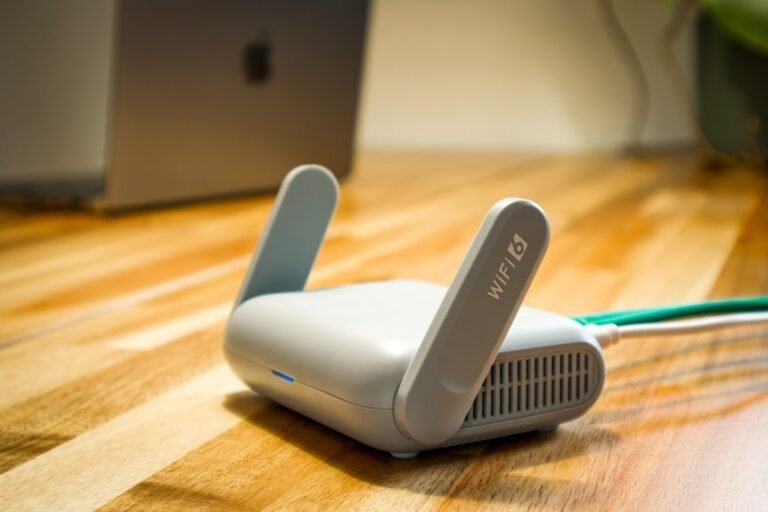
The 168.43.1 Mobile Hotspot Login and Configuration Guide presents a structured approach to device access and setup. It details locating the hotspot’s IP, logging into the admin panel, and configuring essential security parameters. The guide emphasizes repeatable, accurate parameter entry and evaluates compatibility, SSID consistency, and network performance. It offers troubleshooting steps and validated outcomes, but leaves unanswered questions about edge cases and partial failures that prompt further investigation. This keeps the discussion firmly grounded and warrants continued exploration.
What Is 168.43.1 Mobile Hotspot and Why It Matters
The 168.43.1 Mobile Hotspot refers to a configurable network gateway that provides wireless Internet access by sharing a cellular connection. It is a modular linkage enabling flexible deployment, scalable bandwidth, and controlled access. This system facilitates remote work and experimentation.
Idea 1: unrelated topics, discussion 2: off topic chatter influence configuration decisions, but must remain within defined security, reliability, and performance constraints.
How to Locate the Hotspot’s IP Address and Access the Admin Panel
To begin accessing the 168.43.1 Mobile Hotspot administration, identify the device’s IP address and open the corresponding management panel. ip address discovery guides users to locate the gateway, then admin panel access validates credentials and displays security settings. Once authenticated, review network optimization options, ensuring robust access control, firmware status, and anomaly monitoring for continued freedom and reliability.
Essential Setup: SSID, Password, and Security Settings
Configuring the network name, authentication key, and protective measures involves selecting a unique SSID, establishing a strong passphrase, and enabling appropriate security protocols to prevent unauthorized access.
The setup basics emphasize precise parameter entry, enforce robust security settings, and document connectivity basics for repeatable results.
Assess device compatibility, verify encryption, and confirm consistent broadcast across supported platforms for reliable mobile hotspot operation.
Optimize Performance and Troubleshoot Common Issues
Optimizing performance and addressing common issues requires a systematic approach: identify bottlenecks, confirm firmware and driver compatibility, and verify configuration settings across connected devices. The analysis isolates throughput limits, latency, and handoffs between hotspot and clients.
Idea one, topic two word. Idea three, topic four word. Troubleshooting follows structured remedies, documenting steps, and validating results before deployment.
Frequently Asked Questions
Can I Change the Hotspot’s Default Admin Username?
Yes, it is possible. The guide outlines steps to change the admin password, thereby restricting admin access. To proceed, follow the device’s web interface, navigate to account settings, and perform a secure change that updates credentials and access permissions.
How Do I Update the Firmware Manually?
To update firmware manually, follow a structured process: perform a manual upgrade from official firmware, confirm integrity, and preserve data; ensure reset device if needed. This may change admin default username, assess guest network feature availability and parental controls enablement.
Is There a Guest Network Feature Available?
Yes, a guest network can be enabled, and it operates independently of the main network. To manage it, consult the device’s configuration page and apply a controlled firmware update before activating guest access with appropriate isolation and credentials.
What Parental Controls Are Included and How to Enable?
Parental controls are configurable via the admin username; enable content filters and time limits, then apply. A reset without data preserves settings. Firmware update options include manual firmware update; consider a guest network to separate devices.
Can I Reset the Device Without Losing Data?
The reset procedure can be performed without data loss; however, adjustments may be necessary post-reset. Data preservation is prioritized, contingent on internal storage integrity and backup status. System restores to default settings while maintaining user data where feasible.
Conclusion
In a quiet harbor, a lighthouse keeper tends a steady flame—the hotspot, a steadfast beacon for wanderers. The IP light flickers to reveal the gate; credentials lock the door behind the keeper’s careful steps. SSID sails, password anchors, security protocols map the tides. When currents falter, firmware drums beat, and diagnostics chart a safe course. With disciplined checks and repeatable steps, connectivity remains a reliable voyage, guiding travelers through precise, tested seas to steady shorelines.