

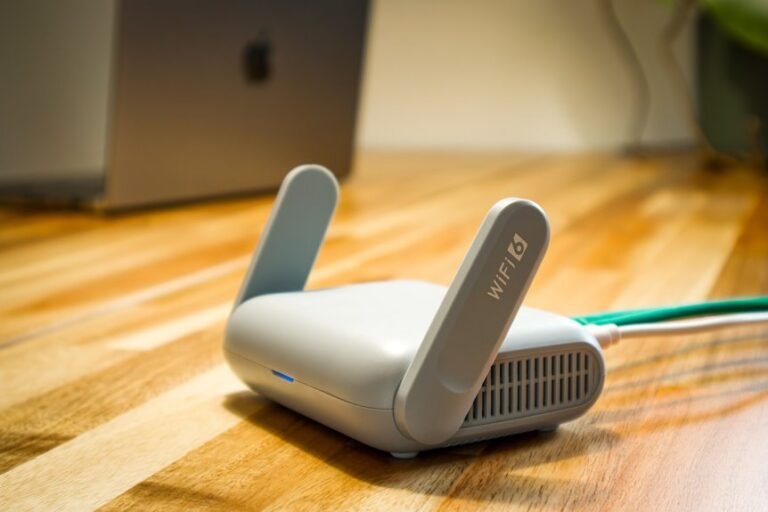
An incomplete router IP occurs when a device receives a partial or unresolved IPv4 address, disrupting core network functions. This condition often points to misaligned DHCP scopes, isolated segments, or firmware faults that block a full, routable address with proper subnet and gateway details. Troubleshooting steps include verifying DHCP health, resetting interfaces, reapplying defaults, and updating firmware. The implications for home and small office setups demand careful diagnosis, as continued gaps can undermine automated configuration and network discovery, leaving critical gaps to address.
What Does “168.203 Incomplete Router IP” Mean?
The phrase “168.203 Incomplete Router IP” refers to a partial or unresolved IPv4 address encountered by a router during configuration or network discovery.
This condition signals incompleteIP meaning and interrupts automated setup. It prompts assessment of routerIP allocation, ensuring a complete, routable address is present, and that subnet, gateway, and DHCP settings align with network topology and policy requirements.
Common Triggers Behind the Incomplete IP Message
Several common triggers can yield an Incomplete IP message, signaling that a router has not obtained a full IPv4 address. Network isolation can prevent DHCP responses, while DHCP turbulence arises from lease churn or misconfigured scopes. Security considerations may interrupt assignment due to access controls.
Together, these factors prod the incomplete state, demanding precise network posture and policy alignment.
Step-by-Step Troubleshooting to Fix Router IP Allocation
How can a router with an incomplete IP address be rapidly corrected? A methodical, detuned approach isolates the fault: verify DHCP server status, reset network interfaces, and reapply factory defaults if necessary. Check for unclear network signals and firmware glitches, then update firmware, reboot, and reassign IP scope. Document changes, monitor stability, and confirm full reachability across devices.
How to Prevent Incomplete IPs on Home and Small Office Networks
Proactive network design minimizes incomplete IPs on home and small office environments by enforcing consistent DHCP scopes, reliable device discovery, and robust addressing practices.
The approach emphasizes network security through verified device authentication, timely firmware updates, and controlled broadband provisioning.
Adherence to wireless standards reduces misconfigurations, while centralized monitoring detects anomalies early, enabling proactive remediation and sustaining reliable IP allocation and service continuity.
Frequently Asked Questions
Can a Faulty Modem Cause an Incomplete IP?
Yes. A faulty modem can disrupt dhcp processes, hindering proper ip allocation and leading to incomplete IP addresses. It may also cause intermittent lease renewals, forcing devices to rely on link-local addresses until the issue is resolved, or replaced.
Does Firmware Version Affect IP Allocation Stability?
Firmware version can influence IP allocation stability due to firmware quirks that affect DHCP timing and IP lease behavior, causing intermittent renewals or conflicts. Observers note consistent behavior improves with updated firmware addressing IP lease behavior.
Will VPNS Trigger an Incomplete IP Message?
VPN usage does not inherently trigger an incomplete connectivity message via typical IP assignment processes; however, some VPN configurations may complicate ip configuration, leading to perceived incomplete connectivity until proper tunnel, DNS, or routing adjustments are applied.
Is Static IP a Solution for This Issue?
A static IP can mitigate incomplete routing by ensuring consistent ip allocation, preventing DHCP lease churn. It addresses incomplete routing concerns, though DHCP remains preferred for flexibility; static IP reduces gaps but limits adaptability for changing networks and freedom.
How Long Should DHCP Leasing Take to Resolve?
A coincidence of timing shows incomplete DHCP resolves as IP lease duration dictates: short pools recover quickly, longer leases delay renewal. In practice, DHCP leasing should converge within minutes; configure appropriate IP lease duration to balance flexibility and stability.
Conclusion
An incomplete router IP indicates a device has only a partial IPv4 address, disrupting routing and network discovery. This often results from misconfigured DHCP scopes, isolated subnets, or firmware glitches that fail to assign a full address, gateway, and subnet mask. Proper resolution involves validating DHCP health, applying firmware updates, resetting interfaces, and reestablishing correct scope settings. Without fixes, devices hover in IP limbo, like ships unable to dock. Agencies should monitor networks to prevent recurrence.