

Private IPs like 192.168.72.x enable local device communication without consuming public addresses. A correct IPv4 format uses four decimal octets (0–255) separated by dots, with no extraneous characters. The guide explains verifying the local IP, accessing the router via a browser, and using proper credentials while ensuring secure transmission. The process highlights potential hurdles and security considerations, offering a path from initial identification to secure access—but a key detail remains essential before proceeding.
What 192.168.72 and Private IPs Really Mean
Private IP addresses like 192.168.72.x serve as non-routable identifiers within local networks, enabling devices to communicate privately without consuming globally unique addresses.
The 192.168.72 range denotes a private subnet, isolating traffic from public networks. This arrangement raises privacy concerns, yet preserves internal usability.
Public visibility remains external-facing; internal devices stay shielded, facilitating controlled, secure access and freedom from global address scarcity.
How to Format and Verify the Correct IP Address
To format and verify a correct IP address, start with the standard IPv4 structure: four decimal octets separated by dots, each ranging from 0 to 255.
Verification proceeds by checking syntax, octet range, and absence of extra characters.
The process acknowledges privacy concerns and emphasizes data encryption when transmitting address data, ensuring secure querying, storage, and logging without exposing sensitive information.
Precision sustains freedom.
Step-by-Step Router Login: From IP to Access
Accessing a router begins with confirming the device’s local IP address and then entering that address into a web browser’s address bar to reach the router’s login page. This connection is typically secured by HTTPS or HTTP, depending on the device, and may require enabling the appropriate network interface to ensure direct communication with the router. privacy awareness and device authentication are essential.
Troubleshooting Common Login Hurdles and Security Tips
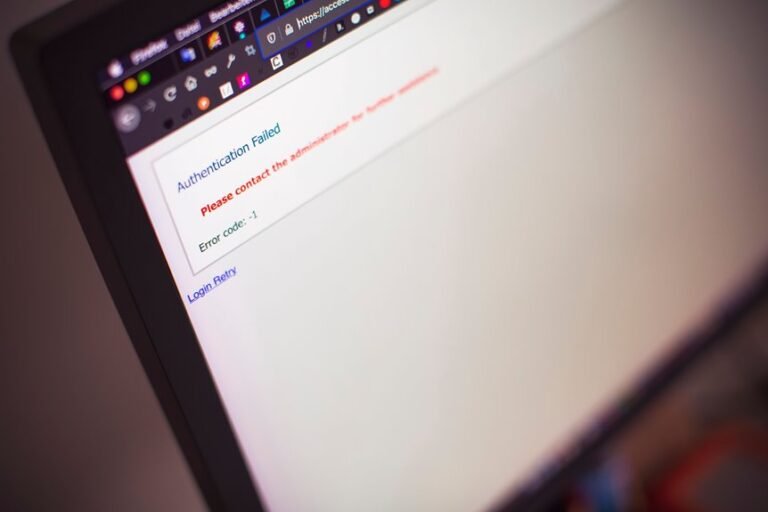
Common login hurdles often arise from misentered credentials, misconfigured network settings, or browser-related blocks; addressing these swiftly requires systematic checks. The section presents a terse, procedural view: verify username and password, confirm device time, disable conflicting extensions, and test alternate browsers. Emphasizes two word discussion idea 1, two word discussion idea 2 for security awareness and fault isolation.
Frequently Asked Questions
Can I Use 192.168.72 for Public Networks?
No, 192.168.72 is a private address, not suitable for public networks; using it publicly risks exposure. It highlights Public network exposure issues and Router login security flaws, urging proper NAT, segmentation, and robust login protections.
Is 192.168.72 the Only Private IP Range?
Yes, 192.168.72 is not the sole private range; IP address categorization includes 10.0.0.0/8, 172.16.0.0/12, and 192.168.0.0/16. It informs router login security and networking freedom with disciplined precision.
Are There Risks Using Telnet for Router Login?
Yes, telnet poses risks for router login; insecure plaintext credentials can be intercepted. A secure login is preferred, using SSH. Ensure updated router firmware and disable telnet, enabling secure, authenticated remote management.
How Often Should I Change My Router Password?
Allegory begins: changing passwords becomes rhythmic vigilance. A diligent system updates every 90 days, or sooner after a suspected breach, preserving password hygiene. In public networks, practitioners preserve access integrity, resisting stagnation while freedom requires routine credential renewal.
What Browsers Are Best for Router Configuration Pages?
Browser compatibility varies; modern Chromium- and Firefox-based browsers offer robust router login accessibility. For precise configuration, the agent notes compatibility with contemporary browsers, ensuring secure sessions and minimal rendering issues during router setup and ongoing management.
Conclusion
Conclusion: Private pragmatics prevail, pulsing through practical, precise protocols. Protective, private prefixes preempt exposure, prompting proper, performant access. Protocols provide predictable paths, permissions, and protection; processors process, permissions persist, and practice prevents pitfalls. Persistent privacy, prudent precautions, and proactive, cybersecurity-conscious conduct culminate in secure connectivity. Alliteration amplifies assurance: careful, credentialed, confidential checks cultivate calm connectivity, confirming correct configurations, commanding robust reliability, and convincing consumers of continued cyber safety.