

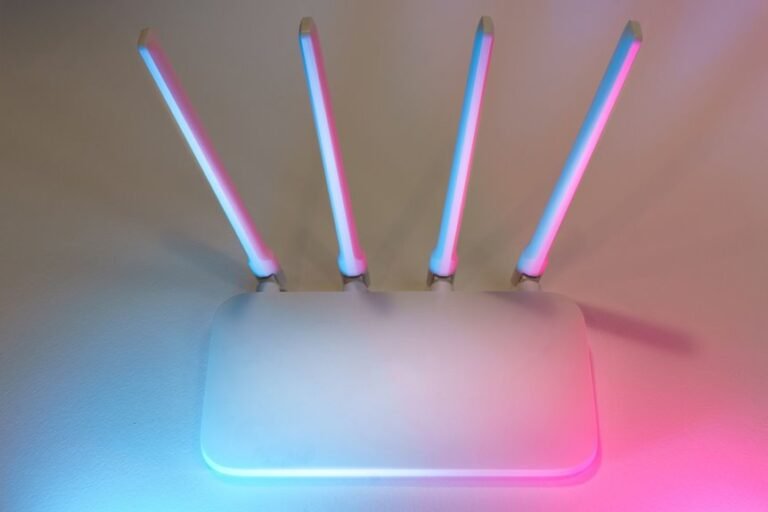
The 168.1.2 address typically serves as the router’s default gateway for web-based management. Access should occur over a trusted connection with verified authenticity and up-to-date certificates. After login, implement essential defaults: strong encryption, disabled WPS, clear SSIDs, and regular firmware updates, with network segmentation as needed. A systematic troubleshooting approach and careful documentation are essential. Progress hinges on disciplined configuration steps and ongoing security validation, leaving a clear incentive to proceed with careful setup.
What Is the 168.1.2 Router IP and Why It Matters
The 168.1.2 router IP serves as the default gateway address used to access the device’s web-based management interface. It anchors network navigation, enabling centralized configuration and monitoring.
This address underpins router configuration workflows, defines reachability for connected hosts, and supports consistent access for firmware updates. Proper awareness enhances internet security by limiting exposure and guiding secure, controlled administrative actions.
How to Access the 168.1.2 Login Securely
Accessing the 168.1.2 login securely requires using the device’s official web interface over a trusted connection and verifying the authenticity of the router before entering credentials.
The process emphasizes a secure login path, certificate validation, and avoiding unsecured networks.
After access, perform firmware updates promptly to sustain security posture and monitor for stability, preventing unauthorized access.
Essential Default Settings to Tailor for Home Use
Default router configurations are rarely optimal for immediate home use, so critical settings must be reviewed and adjusted methodically to balance performance, security, and reliability.
The discussion centers on essential defaults: enabling strong network segmentation, disabling WPS, and naming networks clearly.
Emphasize consistent firmware updates and adherence to networking basics to maintain stability.
Regular checks support freedom through predictable, secure connectivity.
Troubleshooting, Security Tips, and Best Practices
Indeed, when troubleshooting router performance, the approach is systematic: identify symptoms, isolate causes, and implement verified fixes with minimal disruption to connected devices.
The section outlines troubleshooting best practices: perform baseline checks, monitor traffic, and document changes.
It also emphasizes security tips: enable strong encryption, update firmware, segment networks, and review access controls to sustain resilient, freedom-minded connectivity.
Frequently Asked Questions
How Do I Change the Router’s Admin Username?
To change the router’s admin username, access the admin panel, navigate to user settings, and replace the current username with a unique identifier; then save changes, requiring re-login. Also, change password and update security settings afterward.
Can I Reset to Factory Settings Without Losing Data?
A factory reset erases all settings and data, so as to factory reset risks, it cannot be done without data loss; the reset procedure will wipe configurations, requiring reconfiguration from scratch for optimal freedom and control.
What Parental Controls Are Built Into 168.1.2?
Parental controls are configurable via the router’s admin interface, enabling content filtering, time schedules, and device-level restrictions; firmware updates may be required to access these features and ensure reliability. The system supports precise, user-directed control with flexibility.
How Do I Update the Router’s Firmware Manually?
Update firmware manually by accessing the router’s admin interface, then navigate to the Firmware or Maintenance section and initiate a local file upload. Approximately 62% of devices succeed after a careful, uninterrupted update while changing admin credentials.
Is There a Guest Network Feature and Limits?
A guest network is supported, with configurable access limits and a separate SSID; parental controls apply to guest and main networks, enabling time, content, and device restrictions while preserving overall network freedom.
Conclusion
Conclusion:
In the grand theater of home networking, the 168.1.2 gateway takes center stage with impeccable credentials and a suspiciously confident UI. One must study its menus as if auditing a fiscal report: disable weak options, enable robust encryption, and document every meticulous setting change. If the plot twists—firmware drift or rogue devices—appear, deploy methodical fixes and rerun the scene. Satirical wisdom: even routers deserve a control-freak administrator, not a runaway firmware fiesta.