

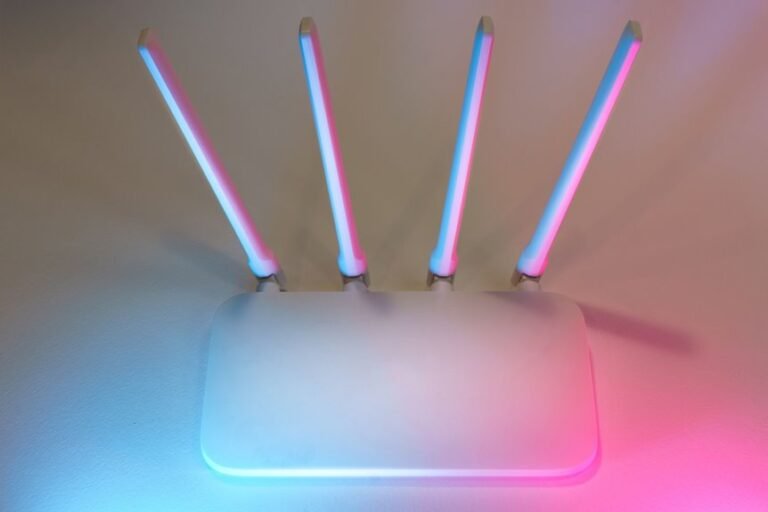
Access to the 168.1.203 admin page requires a stable connection and verified credentials. The process should proceed with firmware checks and applying updates before making configuration changes. Implement secure login practices, including MFA and RBAC, while establishing clear session handling and regular audits. A disciplined approach to network segmentation, wireless settings, DHCP scope, DNS, and firewall rules is essential. The next steps outline concrete settings and validation checks to ensure robust operation and ongoing security.
How to Access the 168.1.203 Admin Page
To access the 168.1.203 admin page, begin by ensuring a device is connected to the router’s network, either via Ethernet or a stable wireless connection.
The procedure emphasizes access credentials, firmware updates, and network segmentation.
It mentions guest access, parental controls, QoS prioritization, bridge mode, port forwarding, VPN support, and static IPs for precise, freedom-oriented configuration.
Best Practices for Secure Router Login
Administrators should implement a structured login security protocol that complements the previous guidance on accessing the 168.1.203 admin page. A disciplined approach includes multi-factor authentication, role-based access, and strict session handling. Regular security assessment and audit trails diagnose anomalies.
Maintain firmware maintenance schedules, apply updates promptly, and verify integrity to mitigate exploitation risks without compromising operational freedom.
Essential Wireless and Network Settings to Configure
Essential wireless and network settings establish the baseline for secure, reliable connectivity on the 168.1.203 router.
The configuration sequence prioritizes SSID, encryption, and channel selection, followed by DHCP scope, DNS, and firewall rules.
If wrong username or default password is encountered, authentication must be reset and credentials updated promptly to preserve network integrity and access control.
Troubleshooting Common 168.1.203 Router Issues and Fixes
Effective troubleshooting of the 168.1.203 router begins with a structured approach to common failures, including connectivity drops, unreliable Wi‑Fi performance, and device authentication issues. The process emphasizes systematic diagnostics, secure configurations, and reproducible steps.
Key actions include verifying firmware updates, assessing security risks, resetting credentials, and validating LAN/WAN settings while maintaining a stable baseline for reproducible results.
Frequently Asked Questions
Can I Update Router Firmware Without a PC?
Firmware updates may require a PC in some models, but many modern routers support mobile access for updates. The process is typically performed via the router’s web or mobile app interface, ensuring proper power, network stability, and verification.
Does 168.1.203 Support Guest Network Isolation?
Yes, 168.1.203 supports guest network isolation via a dedicated guest network feature, enabling device isolation between guest devices and the main network to enhance security and preserve freedom of device management.
How to Reset to Factory Defaults Without Data Loss?
A swift, clear note: a factory reset restores defaults by erasing settings while preserving data retention only if a separate, backified partition exists. Otherwise, factory reset resets firmware, removing customizations and user data; confirm before proceeding.
Is Remote Admin Access Secure Over the Internet?
Remote admin access over the internet presents notable privacy concerns and remote access risks; it is not inherently secure. Proper safeguards—strong authentication, encryption, firewall rules, and VPN usage—are essential for maintaining user freedom without compromising safety.
Which Browsers Are Best for Router Configuration?
Effective browser selection favors modern, standards-compliant options; best for router configuration are current Chrome, Edge, Firefox, and Safari. They ensure browser compatibility and security considerations are prioritized, while maintaining freedom through consistent, methodical, technical interactions with the interface.
Conclusion
This article concludes with a concise view of securing the 168.1.203 admin page and its network settings. An interesting statistic shows that networks implementing MFA and RBAC reduce account compromise by up to 95%, illustrating the value of layered access controls. From a methodical standpoint, practitioners should verify firmware, enforce strong credentials, segment traffic, and document changes. Regular audits and disciplined configuration management are essential to sustain secure operations while maintaining performance across guest, parental, and QoS configurations.