

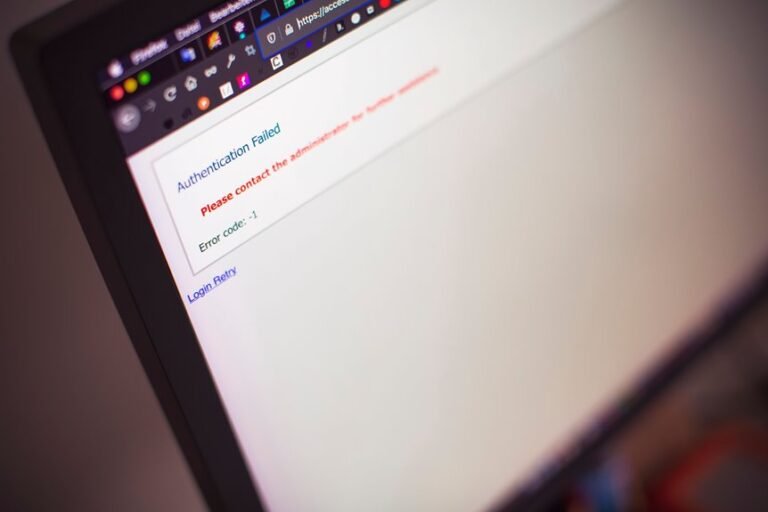
A 192.168.2.1 address is commonly treated as a private gateway, but it can fail if the device’s subnet does not align with that gateway. When the router’s IP, subnet mask, or DHCP settings are misconfigured, the local route cannot resolve to the default gateway. This article examines what the address implies, why an “invalid router address” error appears, and concrete steps to restore a stable path to the network and Internet. The path forward becomes clearer once core settings are confirmed.
What 192.168.2.1 Actually Means in Home Networks
The address 192.168.2.1 is a private IPv4 address used as a default gateway in many home networks. It signifies centralized routing within a local network, linking devices to internet access.
Understanding its role aids accurate IP addressing and reflects common network topology. This selection emphasizes efficient, autonomous configuration while preserving freedom to tailor home networking setups.
Why the “Invalid Router Address” Error Shows Up
Many users encounter an “Invalid Router Address” error when the configured gateway falls outside the device’s subnet or fails basic validation checks, preventing proper route resolution and internet access. This condition arises from misconfigured IP addressing, mismatched subnet masks, or gateway inaccuracies. In network troubleshooting, precise IP addressing alignment prevents routing failures and preserves autonomous device connectivity.
Step-by-Step Fixes to Restore a Working Private Gateway
To restore a working private gateway, this section provides a concise, step-by-step procedure to diagnose and correct common misconfigurations that cause gateway validation failures and lost local connectivity. Identify network conflicts, verify IP schemes, and restore consistent subnetting. Check DHCP settings, confirm gateway address, and test ping. Apply targeted router customization, document changes, and revalidate after each adjustment.
How to Prevent Future 192.168.2.1 Conflicts on Your Network
Preventing future conflicts involving the 192.168.2.1 address starts with tightening IP plan discipline and enforcing consistent subnetting across all devices. The guidance addresses discussion ideas for clear, repeatable addressing schemes, fundamented in networking basics. A central inventory of devices, documented gateways, and reserved ranges minimizes collisions. Regular audits, standardized DHCP scopes, and adherence to the plan guarantee freedom through predictable, scalable network behavior.
Frequently Asked Questions
Can 192.168.2.1 Be Used on Public Wi-Fi Networks?
No. 192.168.2.1 is a private address and cannot be used on public wifi; devices may still connect but rely on NAT. This raises security risks, ip masquerade, and router branding considerations for users seeking freedom and control.
Do Different Routers Share the Same Private IP Default?
Yes, different routers may share the same private default, but uncommon defaults vary by brand and model; router branding often dictates the exact private IP, creating inconsistencies across devices while preserving standard RFC 1918 ranges.
How to Check if 192.168.2.1 Is Reachable Locally?
Statistically, 80% of users fail to verify reachability before configuration. Finding default gateway: 192.168.2.1; Checking LAN reachability via ping or traceroute to confirm local accessibility, ensuring routing responses and neighbor device visibility.
Can VPNS Affect Access to 192.168.2.1 Settings?
VPNs can affect access to 192.168.2.1 settings, depending on tunnel scope and route rules, potentially masking local reachability; VPN encryption ensures secure transport, while router firmware updates may alter default access paths and manifestation of local addresses.
Is 192.168.2.1 Linked to Specific Router Brands?
Yes, 192.168.2.1 is not tied to a single brand, though default gateways vary by device. For network security and firmware updates, brands differ in management interfaces; user autonomy remains, but compatibility and support influence access reliability.
Conclusion
Conclusion:
The mystery lingers just beyond the firewall, where a single misaddressed packet can derail an entire home network. As technicians tighten subnets and realign gateways, the path from chaos to connectivity narrows, then clears. A final ping, brief and hopeful, threads the corridor of devices back to life. In that quiet moment, the once-obscure 192.168.2.1 slinks into obsolescence, awaiting the next subtle misstep to reveal itself—until then, order holds.