

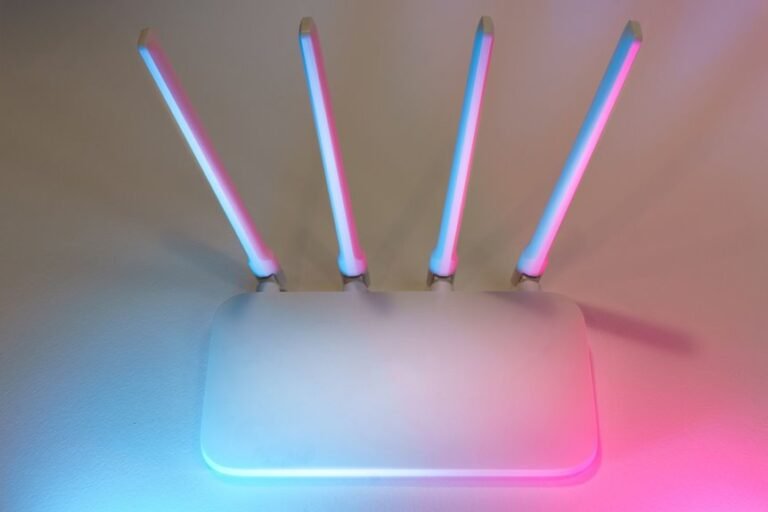
The guide on 168.100.99 router login and setup presents a precise, methodical approach to accessing the device and configuring essential settings. It outlines how to locate the login page, verify credentials, and confirm connectivity before proceeding. Key steps cover first-time setup, firmware updates, and security measures. The document concludes with practical tips to sustain a secure network, while a critical detail remains unresolved, inviting the reader to continue for a complete, defensible configuration.
How to Find the 168.100.99 Login Page
To locate the 168.100.99 login page, the user should determine whether their router is configured to use this IP as the gateway.
Precise steps follow: verify knowledge of finding IP address, check LED indicators, and inspect DNS settings.
Consider hardware reset if unreachable; review firewall, NAT, and network ports.
Note bridge mode, QoS, parental controls, guest networks, and IP cameras.
Entering Credentials: What to Use and What to Do If You’re Locked Out
Once the login page is located, the process moves to entering the appropriate credentials. The guide specifies using valid login credentials, avoiding weak passwords. If locked out, follow legitimate recovery procedures or contact support. Emphasize password management, rotate tokens, and maintain robust network security. Routine firmware updates help prevent credential exposure, ensuring consistent access and informed, freedom-driven administration.
Essential First-Time Setup Steps for 168.100.99 Routers
Initial setup of 168.100.99 routers requires orderly execution of core configuration tasks: verify device connectivity, access the admin interface, and apply foundational network parameters.
The process remains focused and device-centric, avoiding extraneous steps. From a freedom-seeking perspective, users should document choices; consider unrelated topic considerations and security concerns, ensuring baseline stability while avoiding unnecessary customization that could complicate future management.
Secure Your Network: Firmware, Passwords, Wireless, and Basic Protections
Effective network security for 168.100.99 routers centers on timely firmware updates, strong authentication, disciplined wireless configuration, and basic protections that mitigate common threats.
The guidance emphasizes network segmentation to constrain access, controlled guest access, and rigorous firmware updates.
Parental controls provide content governance, while disciplined password practices and up-to-date protections reduce exposure to exploits and unauthorized intrusion.
Frequently Asked Questions
Can I Change the Router’s Default IP Address?
Yes, it is possible to change the router’s default IP address. A meticulous process involves accessing admin settings, modifying the LAN IP, then rebooting. Ensure you back up configuration, note updated hostname, and verify network connectivity after updating firmware.
How Do I Reset the Router to Factory Settings?
A factory reset restores the router to its original state via the reset button. Perform a precise sequence: hold reset until lights flash, then reconfigure. This supports digital privacy by clearing custom settings and credentials, ensuring a clean slate.
Is 168.100.99 Compatible With Recommended Security Standards?
The device’s compatibility with recommended security standards is uncertain, as concerns arise over potential security vulnerabilities, privacy risks, and inconsistent firmware updates; proper evaluation should emphasize network segmentation and ongoing firmware updates for safer operation, aligning with freedom-friendly practices.
What Parental Controls Are Available on This Model?
Parental controls on this model include content filtering, network scheduling, and online safety features. The system configures access rules, blocks inappropriate sites, and prioritizes safe browsing, enabling users to balance freedom with responsible usage through precise controls.
How Can I Enable Guest Network Access?
Approximately 70% of households use guest networks, illustrating demand for separation. To enable guest network access, the router’s web interface offers a Guest Network section; enable, assign SSID, set password, and apply restrictions, while considering parental controls option.
Conclusion
In the quiet hum of the network, the 168.100.99 gateway stands as a steady steward. Like a lighthouse keeper at a fog-stitched harbor, it guards access, guiding administrators through verified doors, credentials, and firmware tides. The disciplined steps—find the login, enter the right keys, secure the fortress, and document the trail—echo the timeless craft of safe passage. When configurations align, a resilient, private channel quietly remains, awaiting the next trusted command.