

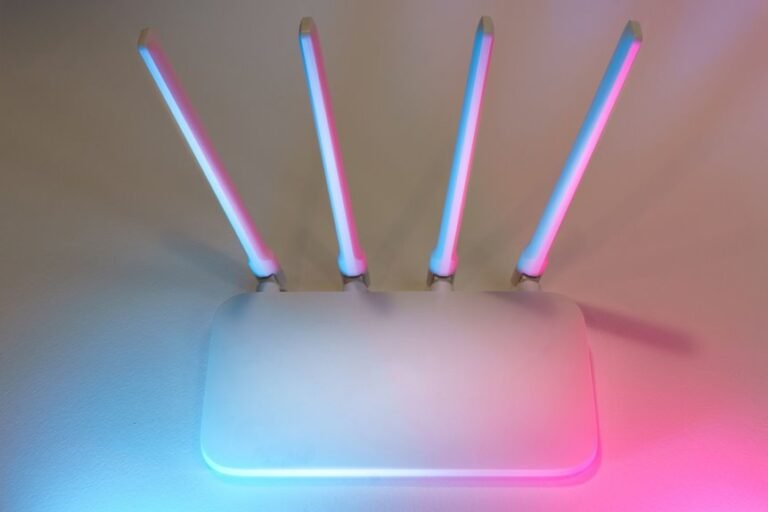
The guide clarifies that a proper router IP uses dotted decimal notation, typically 192.168.1.1 or 192.168.0.1, not 19216810254. It methodically explains how a device on the same network can access the gateway via HTTPS and how to log in with a strong password, while advising to disable remote administration and document credentials. The discussion then pivots to verification steps and common defaults, leaving a practical path forward that invites further precision and verification to resolve access issues.
What Is the 192.168.1.0/24 Range and Why It Matters
The 192.168.1.0/24 range is a private IPv4 address block commonly used for local networks, providing 256 addresses from 192.168.1.0 to 192.168.1.255.
It exemplifies structured address allocation, enabling organized device communication.
Understanding 192.168.1.0/24 concepts clarifies network design, while subnetting fundamentals guide efficient segmentation, traffic control, and scalable growth for autonomous, freedom-seeking installations.
Find Your Gateway: Common Router IPs and How to Confirm Yours
Finding the router’s gateway IP is a systematic task that can be completed with a few straightforward steps; common defaults include 192.168.1.1, 192.168.0.1, and 10.0.0.1.
The process identifies Find gateway by inspecting device labels or network configurations, then router IP confirmation through a quick check of network details. Determine login access portal details if needed, but stay focused on accuracy and clarity.
How to Log In Securely: Prep, Login Steps, and Common Pitfalls
To log in securely, prepare by confirming the router’s IP address and ensuring the device is connected to the network. The user should access the router’s interface via HTTPS login, verify a secure password is set, and avoid default credentials. Enter credentials carefully, disable remote administration, and document steps to prevent common pitfalls and maintain continuous, vigilant access.
Troubleshooting and Quick Win Fixes to Get Online Fast
Network connectivity can be restored quickly by following a prioritized, stepwise approach to common router issues and quick-win fixes.
The guide emphasizes disciplined checks: verify device status, confirm network name, and restart hardware.
Emphasize discoverable credentials and avoid insecure protocols; use secure defaults where possible.
Document changes, test connectivity after each step, and proceed systematically to minimize downtime and restore reliable access.
Frequently Asked Questions
Can I Use 192.168.102.254 for My Router’s LAN IP?
Yes, 192.168.102.254 can serve as a router LAN IP in many networks. This 192.168 discussion requires proper router formatting, ensuring no conflicts with devices. Configure gateway, DHCP range, and security settings for compliant operation.
Are There Risks Using 192.168.1.X for Business Networks?
Yes, there are risks; using 192.168.1.x for business networks can create predictable addressing. The viewer should prioritize network security and careful IP address planning, mitigating segmentation gaps, unauthorized access, and potential exposure across multiple devices and sites.
How Do I Change My Router’s Default DNS Server?
He explains how to change default DNS by accessing the router’s admin panel, navigating to DNS settings, and entering preferred servers, then applying changes; this enables secure router access and preserves a sense of autonomy while maintaining control.
What Should I Do if I Forget the Admin Password?
Can a door lock be opened anew with a reset, granting access again? A methodical process follows: Password reset steps, Lost credentials, performed via hardware reset or official account recovery; then reconfigure admin credentials, secure, and document access.
Do Different Devices Require Separate Login Credentials?
Different devices can share a single login if they use the same admin credentials; separate login credentials are not required unless policies demand it. two word discussion ideas emphasize security, while separate login supports personalized, controlled access.
Conclusion
The guide closes like a careful compass, pointing readers toward reliability rather than guesswork. It alludes to steady currents beneath the surface—the quiet rule that private networks inhabit preserved spaces, and gateways await discovery with methodical steps. A practiced rhythm emerges: verify, connect, log in, secure. In the end, the router stands as a doorway that, once understood, remains protected and accessible, turning complexity into a predictable path through familiar infrastructure.