

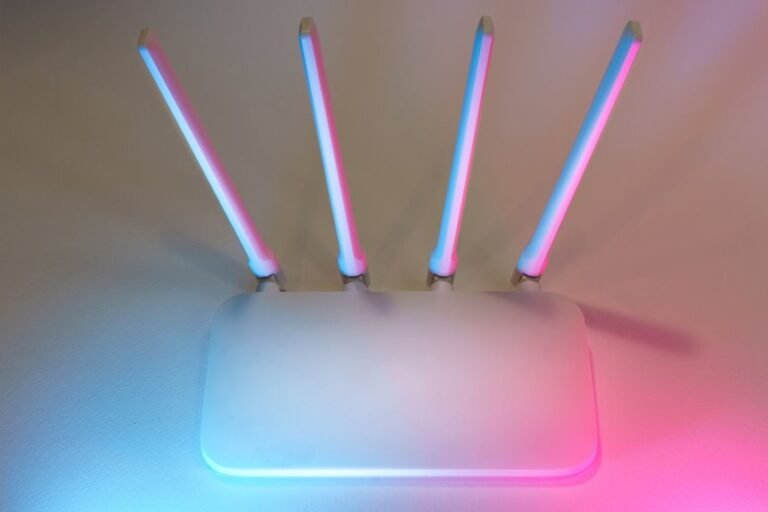
Access to the 168.0.187 router admin panel is described as a first step for network control. The guide emphasizes confirming the device is on the correct network, then verifying SSID and security settings. Practical steps include rebooting devices, checking indicator lights, and following a structured troubleshooting flow. A methodical approach aims to minimize changes and document procedures for ongoing security. The outline invites further exploration of fixes, with a clear path to stable, repeatable maintenance.
How to Access the 168.0.187 Router Admin Panel
To access the router’s admin panel, users should connect a device to the router’s network and open a web browser. The procedure remains straightforward: enter the router’s IP address, log in with credentials, and navigate a concise interface.
The process emphasizes independence and control, avoiding unnecessary steps. unrelated_topic and off_subject considerations are noted but kept separate from essential configuration.
Verify You’re Connected to the Right Network
Ensuring the device is on the correct network follows directly from accessing the router admin panel. In this step, users confirm chosen SSID matches the intended network, preventing unintended connections. Clear network naming reduces guesswork, while consistent device hardening minimizes exposure. This verification supports secure, autonomous use without surrendering control, fostering confident, freedom-oriented networking practices.
Quick Fixes for Common Connectivity Issues
Common connectivity issues often arise from small misconfigurations or temporary faults; addressing them quickly requires a concise, methodical approach.
Quick fixes prioritize verification steps, restarting affected devices, and checking indicator lights.
Structured troubleshooting guides readers through essential checks without overreach.
Emphasize network troubleshooting basics and ensuring device authentication before broader diagnostics, preserving user autonomy and avoiding unnecessary changes.
Long-Term Maintenance and Security Best Practices
Effective long-term management of the 168.0.187 router hinges on disciplined update routines, proactive configuration reviews, and robust security controls. The approach emphasizes security hardening, ongoing firmware auditing, and documented connectivity troubleshooting procedures. Access control measures should be enforced consistently, with clear permissions and audit trails. Regular reviews deter drift, ensure resilience, and empower users to maintain secure, reliable network access.
Frequently Asked Questions
How to Reset Router to Factory Defaults Without Losing Firmware?
A factory reset erases settings but preserves firmware, so the device remains current. The recommended approach: perform reset, then immediately reconfigure, ensure a firmware update is completed if available, and secure the password to prevent unauthorized access. reset password, firmware update.
Can I Change the Admin Username for Security Reasons?
Changing the admin username is possible on many routers, though some devices restrict it; changing password remains essential. A metaphorical anecdote: like changing locks after a move, you should update firmware and maintain strong credentials to preserve freedom.
Is There a Mobile App to Manage the Router?
A mobile app viability exists for router management, though official options may vary by model; users should verify vendor support. App feature gaps include limited advanced configuration, reliability concerns, and cross-device synchronization, impacting freedom to customize settings fully.
What Parental Controls Are Built Into the Router?
Parental controls include scheduling and traffic monitoring. The router allows parental scheduling to block or limit access during set times, while traffic monitoring provides insight into connected devices and usage patterns, supporting a structured, freedom-oriented management approach.
How to Set up a Guest Network Securely?
Guest network should be isolated and secured. Implement WPA3 setup, enable guest isolation, disable device access to LAN resources, and use separate SSID. Regularly monitor activity, rotate credentials, and maintain firmware for a balance of privacy and freedom.
Conclusion
Access to the 168.0.187 router admin panel should be used only for legitimate network management. In summary, verify you’re on the correct network, apply minimal, well-documented fixes, and reboot devices as needed. Regularly review security settings, update credentials, and maintain a clear naming scheme to prevent misconnects. This discipline keeps the network resilient, like a compass in a fog—steady, guiding every connected device toward reliable, secure access.