

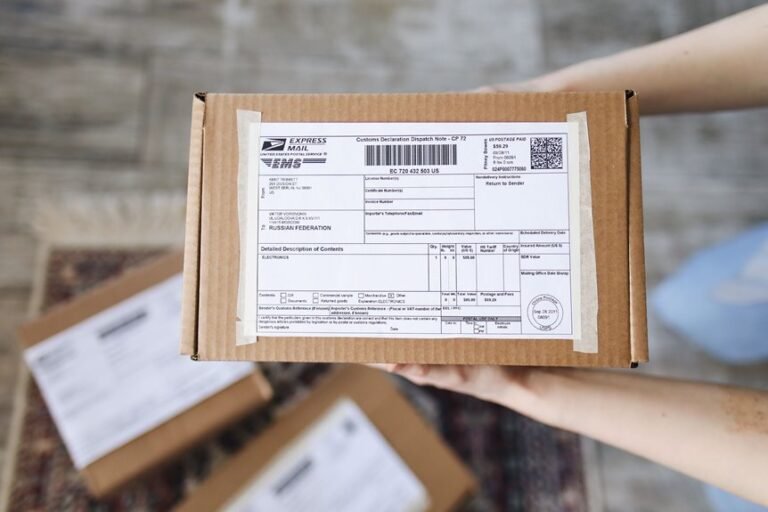
An incomplete router address lacks one or more segments, producing a partial path to a device or network. Routers apply deterministic rules to interpret such inputs, using prefix matching, fallback heuristics, and forwarding-table constraints to resolve ambiguity. Diagnosis relies on mapping partial inputs to specific tables and logs. The methods aim to guarantee deterministic reachability, prevent misrouting, and avoid loops. Practical steps emphasize validation, provenance checks, and periodic audits to maintain complete, secure routes—with gaps that invite further scrutiny.
What an Incomplete Router Address Really Means
An incomplete router address refers to an address that is missing one or more segments, rendering the full path to a device or network unreachable without supplementation. The concept aligns with incomplete routing and partial addressing, highlighting gaps in the addressing scheme. It implies a need for additional segments or context to establish correct network traversal, ensuring deterministic reachability and orderly route resolution.
How Devices Interpret Partial Addresses in Practice
Partial addresses are interpreted by devices through deterministic rules that map incomplete inputs to the nearest valid routing or forwarding decision.
In practice, routers apply prefix matching, fallback heuristics, and forwarding table constraints to resolve ambiguity.
This involves incomplete routing and address interpretation mechanisms that preserve reachability while preventing incorrect dissemination or loops, ensuring consistent, predictable packet handling across diverse networks.
Diagnosing and Fixing Common Incomplete Address Issues
Diagnosing incomplete address issues requires a systematic approach to identify where ambiguity arises and how it propagates through the forwarding plane.
Incomplete routing scenarios are isolated, mapped to specific tables, and tested against known address interpretation rules.
Diagnoses emphasize deterministic checks, error propagation, and corrective configurations, ensuring reproducible results and minimal disruption while preserving freedom to optimize routing clarity and resilience.
Practical Tips to Keep Routes Complete and Secure
To maintain complete and secure routing tables, practitioners implement disciplined practices that extend from diagnosing incomplete addresses to enforcing consistent path interpretation. The guidance emphasizes incomplete routing awareness, automated validation, and strict address validation workflows. Operators deploy deterministic policies, periodic audits, and provenance checks to reduce ambiguity. Combined, these measures enhance reliability, resilience, and freedom to adapt routing strategies without compromising integrity.
Frequently Asked Questions
Can Incomplete Router Addresses Affect VPN Connections?
Incomplete routing can disrupt VPN reliability, as partial or misdirected paths hinder tunnel establishment and stability. The analysis notes potential latency, dropped packets, and handshake failures, emphasizing careful route validation to preserve vpn reliability while maintaining user autonomy.
Do ISPS Assign Dynamic Partial Routes to Devices?
ISPs generally do not assign dynamic partial routes to individual devices; instead, they provide dynamic routing at the network edge and address allocation via DHCP or PPPoE for devices. Dynamic routing adapts topologies; address allocation sustains connectivity and autonomy.
How Do Firewalls Handle Partial Network Addresses?
Like a tightrope walker, the firewall behavior balances incomplete routing with security. It analyzes partial network addresses, enforces policy, logs device disclosure, mitigates legal risks, and supports dynamic routing while preserving network privacy.
Can Incomplete Addresses Reveal Device Brands or Models?
Incomplete routing alone does not reliably reveal specific device brands or models. However, device fingerprinting can leverage timing, header patterns, and behavior to estimate characteristics, requiring careful methodology and ethical considerations for freedom-minded evaluators.
Are There Legal Risks to Using Incomplete Routing Information?
Incomplete routing can expose organizations to Legal risks and Compliance issues; Partial routing may trigger scrutiny. The analysis treats Incomplete routing as a potential audit item, requiring robust governance. Freedom-seeking readers should implement formal policies, monitoring, and risk controls.
Conclusion
In summary, incomplete router addresses are resolved through deterministic rules, prefix matching, and forward-table constraints to restore a complete, unambiguous path. Devices rely on validation, provenance, and periodic audits to prevent misrouting and loops, ensuring secure and resilient connectivity. When gaps appear, systematic mapping to routing tables guides the completion process, reducing ambiguity and fault risk. The discipline demands meticulous verification; don’t let a missing piece derail the whole network—tread carefully, align data, and keep routes airtight. It’s a fine line to walk.