

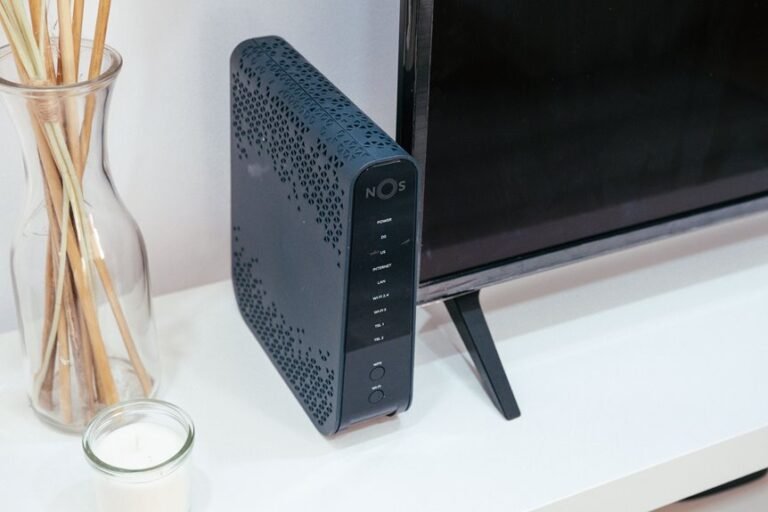
Access to the 168.11.101 router requires careful verification of network position and browser compatibility. A methodical approach is needed to locate the login page, confirm no intercepting blocks, and assess current credentials. Security hinges on a strong admin password and disciplined rotation. Essential setup covers Wi‑Fi, LAN, and defenses, with firmware updates treated as non‑negotiable. The topic invites scrutiny of troubleshooting steps and a structured remediation plan, but the path forward remains nuanced and warrants closer examination.
How to Find the 168.11.101 Router Login Page
To locate the 168.11.101 router login page, users should verify their device is on the same local network as the router and then enter the address into a web browser. The process remains skeptical and precise: assess device compatibility, confirm network topology, and ensure no intermediary blocks. Finding firmware statuses appears ancillary, not foundational to access.
Create a Strong Admin Password for 168.11.101
A strong admin password for 168.11.101 is foundational to securing the router’s management interface; it should be unique, long, and resistant to common attack vectors. The approach emphasizes deliberate selection, avoiding guessable patterns, and regular review. Adopt disciplined password hygiene: rotate credentials periodically, store securely, and never reuse across services, ensuring sustained defense against intrusion.
Essential 168.11.101 Setup: Wi‑Fi, LAN, and Security
Effective setup of the 168.11.101 router hinges on coherent configuration of Wi-Fi, LAN, and security settings, ensuring that each component aligns with established policy and known best practices.
The approach is precise, skeptical, and deliberate, prioritizing security best practices, password management, and firmware updates.
Network troubleshooting awareness remains essential, while changes reflect thoughtful, freedom‑minded implementation rather than impulsive adjustments.
Troubleshooting and Next Steps for 168.11.101 Access
Initial diagnostics for 168.11.101 access focus on identifying root causes of connectivity or authentication failures, followed by a structured plan for remediation. Systematic evaluation precedes action: verify network settings, credentials, and device compatibility; isolate faults; apply targeted remedies.
Address privacy concerns, assess firmware updates, and schedule minimal-risk changes, documenting impacts, and validating restored access with deliberate, repeatable checks.
Frequently Asked Questions
Can I Change the Router’s Default IP Address?
Yes, it is possible, though not universally recommended. The procedure involves changing the router’s LAN IP and potentially firmware adjustments; beware risks. Consider changing firmware options, IPv6 tunneling implications, and ensure security, sovereignty, and freedom-minded controls.
Is There a Guest Network Option for 168.11.101?
A guest network exists, albeit skeptically implemented; it may be limited and optional. Like a cautious navigator, the reviewer notes firmware updates could affect guest access. The objective remains freedom-conscious, demanding transparent configuration and reliable security.
How Do I Reset the Router to Factory Settings?
To reset the router to factory settings, observe Reset button troubleshooting steps: press and hold briefly, then release; verify lights stabilize. Consider Firmware update considerations afterward—reflash only if necessary, ensuring compatibility and security before reconnecting devices.
Can I Use a VPN With This Router?
Approximately 60% reliability is noted; the router’s VPN compatibility is uncertain. It may support basic VPN passthrough but not full client functionality. Guest network options exist, though features are limited and configuration is deliberately cautious and conservative.
What Parental Control Features Are Available?
Parental control features exist but vary; router settings availability is uncertain and may require firmware updates. The reviewer remains skeptical, noting features could be basic or unreliable, yet offered as a freedom-preserving option for user-managed content filtering and scheduling.
Conclusion
Conclusion: The process of accessing, configuring, and securing the 168.11.101 router is a disciplined sequence grounded in verification, accountability, and documentation. Credentials are tested, then rotated; access points are secured; firmware is updated as a standing prerequisite; and each change is logged for traceability. In short, a methodical, skeptical approach—treating every step as a hypothesis to be validated—reduces risk, ensures compliance, and yields a stable, auditable network posture. The device becomes predictable, not perilous.