

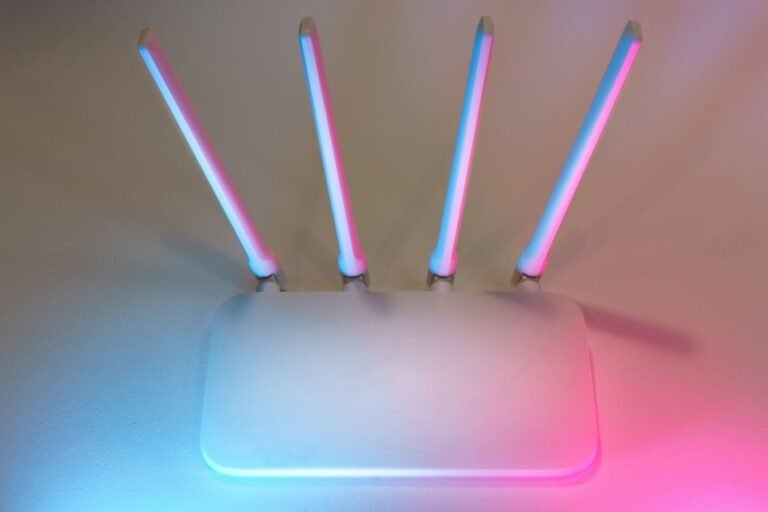
The guide examines the 168.10.5 router login process with a focus on security and reliability. It identifies how to locate the device’s default IP, access the admin page, and use initial credentials safely. It emphasizes credential hardening, firmware updates, and backup practices to reduce risk. Practical steps are presented for first-time login and common tweaks. A careful approach is required to avoid misconfigurations that could expose the network, leaving a clear incentive to proceed with methodical setup.
What Is the 168.10.5 Router, and Why You’Re Logging in
The 168.10.5 router serves as a dedicated gateway device that manages local network connectivity, traffic routing, and basic security functions for connected devices. It provides visibility into network security posture, enabling administrators to monitor threats and enforce access policies.
Regular firmware updates sustain reliability, patch vulnerabilities, and preserve firmware integrity, ensuring ongoing resilience against emerging exploits and ensuring freedom to operate securely.
How to Find the Default IP and Login Page
To determine the default IP address and login page for the 168.10.5 router, begin by inspecting the device label or user guide, which typically lists the default gateway IP and admin URL.
The process emphasizes secure access: finding IP discovery and login page navigation should be performed on trusted networks, avoiding duplicate credentials and ensuring integrity.
First-Time Login: What Credentials to Try and How to Reset Safely
After establishing the default access point, the first-time login should use the documented credentials provided by the device label or manual. The procedure emphasizes a controlled first time login, selecting credentials to try that are unique and documented, then validating access promptly. If access fails, reset safely following best practices to preserve security, integrity, and freedom from exposure.
Securely Tweak Settings: Common Quick Fixes and Best Practices
Common quick fixes and best practices focus on securing and stabilizing router operation without altering core functionality. This guidance emphasizes password strength, disciplined firmware updates, and routine setting backups to preserve configurations. It also notes enabling parental controls, configuring guest networks, and restricting admin access. Each measure enhances resilience while preserving freedom to customize, monitor, and audit network behavior.
Frequently Asked Questions
Can I Change My Router’s Default IP Address Safely?
Yes, it is possible, but it must be done carefully. To minimize risk, change password, update firmware, and then configure a unique, non-default IP. This enhances security while preserving control, autonomy, and data integrity during the transition.
How Do I Enable WPA3 on This Router Model?
To enable WPA3 on this router model, follow vendor firmware steps cautiously, noting enable wpa3 nuances and ensuring router firmware compatibility before applying changes. This enhances security while preserving freedom to customize without compromising legacy devices.
What Parental Controls Does the 168.10.5 Support?
Parental controls on the 168.10.5 support basic content filters and time-based access policies. Parental control limits device scheduling, enabling rule sets that restrict or grant access, prioritizing security while preserving user autonomy and network freedom.
How Can I Set up Guest Network Isolation?
To enable guest network isolation, enable a separate guest network with strong password, enforce password strength, and apply firmware updates regularly; ensure firewall rules block inter-network access while preserving internet access, granting user freedom within secure, policy-driven boundaries.
What to Do if the Login Page Won’T Load?
If the login page won’t load, the device should power-cycle, verify network connectivity, and test different browsers; then try direct IP access. This login page troubleshooting ensures a secure router login experience, avoiding pointless detours and preserving control.
Conclusion
The guide concludes that secure access hinges on correct identification of the router’s default IP, trusted login page, and robust first-time credentials, followed by disciplined configuration practices. By treating the router as a digital perimeter, administrators fortify its defenses with unique passwords, regular firmware updates, and minimal exposed services. In this landscape, proper login acts as the keystone securing the network arch, keeping threats out while preserving performance for trusted devices.