

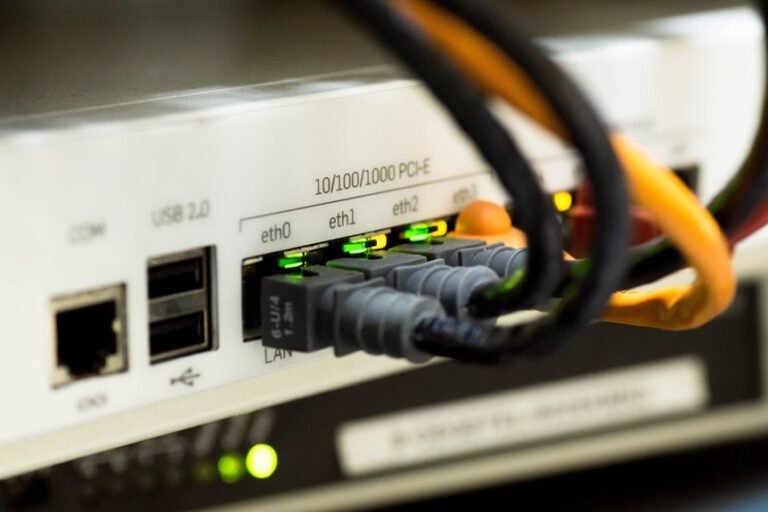
The 168.8.2 router login guide outlines secure admin access, credential hygiene, and ongoing maintenance. It emphasizes changing defaults, restricting WAN and remote access, and enabling device-based 2FA and least-privilege roles. The plan covers Wi‑Fi security, guest networks, and a layered firewall with actionable troubleshooting tips. A methodical approach is presented to maintain auditable operations and stable network performance, but critical decisions and configurations depend on specifics that follow.
How to Access the 168.8.2 Router Admin Panel
To access the 168.8.2 router admin panel, a device must be connected to the router’s network—via Ethernet or Wi-Fi. The interface presents status and controls for monitoring access logs and managing firmware updates. Authentication requires correct credentials. Once logged in, users can review activity, apply updates, and configure settings with minimal steps, preserving freedom through direct, transparent management.
Change Default Credentials and Lock Down Access
Locking down a 168.8.2 router begins with changing default credentials to unique, strong ones and restricting administrative access to trusted devices and networks.
Credential hygiene is essential; administrators disable remote WAN login and enforce device-based 2FA where available.
Implement strict access lockdown, applying role-based permissions, regular credential audits, and time-limited admin sessions to minimize exposure and preserve freedom.
Configure Wi‑Fi: SSID, Security, and Guest Networks
Configuring Wi‑Fi begins with selecting an appropriate SSID, establishing robust security settings, and planning guest network segmentation.
The guidance remains precise: choose compatible security protocols, enable strong encryption, and separate guest traffic.
Consider wifi performance under load, assess channel width, and ensure device compatibility across commonly used standards.
Documented settings streamline recovery, maintenance, and scalable access without compromising freedom.
Essential Firewall and Troubleshooting Tips for 168.8.2
Essential Firewall and Troubleshooting Tips for 168.8.2 emphasize a minimal, results-focused approach to network security and reliability. The guidance covers firewall hardening and streamlined configurations, ensuring layered defense with least privilege. Troubleshooting basics target quick issue isolation, log analysis, and connectivity verification. Emphasize stable defaults, documented changes, and regular audits to maintain resilient performance without system disruption.
Frequently Asked Questions
How to Back up the Router’s Configuration File?
The procedure involves exporting the router’s configuration to a secure local file, then storing it offline. This backup strategy enhances recoverability and supports security auditing, while maintaining freedom to restore settings across devices and firmware updates.
Can I Set up User Roles With Different Admin Rights?
Can they set up user roles with admin rights? Yes; the device supports multiple access levels. User roles determine permissions, while admin rights grant full configuration control. The system enforces role-based access to maintain security and operational freedom.
What Parental Controls Are Available on 168.8.2?
Parental controls exist, enabling Network filtering and User permissions adjustments; remote updates ensure policy enforcement. The system supports configurable content restrictions, time limits, and device blocking, allowing users freedom while maintaining guarded access through centralized controls and auditing.
How to Update Firmware Remotely Without Losing Settings?
Massive risk looms; firmware updates must be handled with precision. The process relies on a firmware rollback if needed and a remote backup to preserve settings, ensuring seamless restoration and continued autonomous control despite remote changes.
Is There a Mobile App for 168.8.2 Management?
There is no dedicated mobile app for 168.8.2 management. For mobile management, users rely on a web interface optimized for mobile browsers to enable remote access, monitor status, and configure settings with precise, technical control.
Conclusion
In summary, the 168.8.2 router setup emphasizes disciplined access control, up-to-date firmware, and segregated networks to maintain a hardened boundary. By enforcing unique admin credentials, restricting WAN login, and enabling role-based permissions, administrators reduce attack surfaces. Regular audits and clear documentation support ongoing compliance. As the saying goes, “Trust but verify”—and with vigilant monitoring, the network remains resilient, auditable, and prepared for evolving threats.